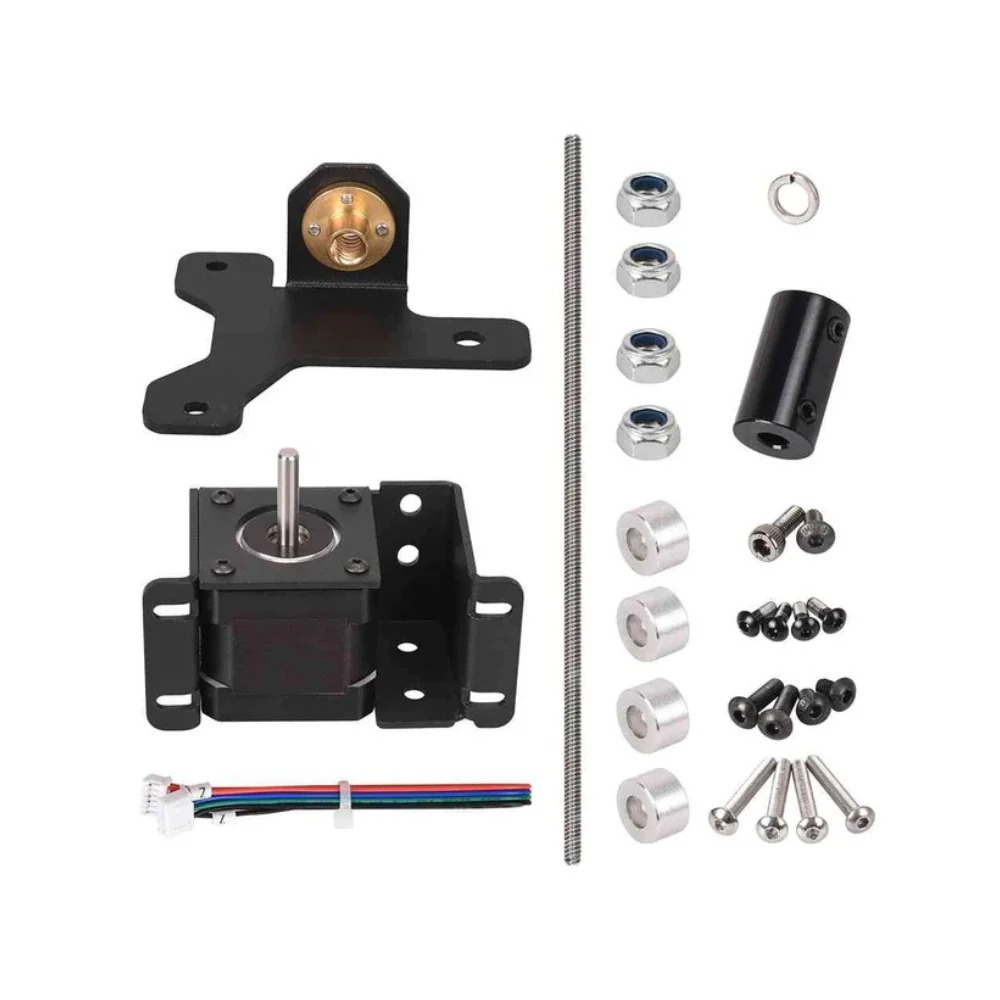
Unleashing Creativity: My Full Experience with biqu 3D Printer Gear
If you’re anything like me, your 3D printer isn’t just a tool; it’s a gateway to bringing ideas to life, a constant project in itself, and occasionally, a source of delightful frustration. For years, I’ve been tinkering, upgrading, and pushing the boundaries of what my machines can do. And through much of that journey, one name keeps popping up, consistently delivering quality and innovation: biqu. You might know them as BIGTREETECH, but whether it’s under their full name or simply “biqu,” their impact on the desktop 3D printing world is undeniable.
My personal dive into the biqu ecosystem wasn’t planned; it was a gradual realization that every time I looked for a solution to a printing problem or an upgrade to improve performance, biqu had an answer. It started subtly, with whispers in online forums about silent stepper drivers and powerful control boards. Eventually, curiosity got the better of me, and I placed my first order. That decision, I can confidently say, profoundly changed my 3D printing experience for the better.
Let’s rewind a bit. Like many, I began with a budget-friendly printer, and while it was a fantastic starting point, it came with its quirks. The noise was unbearable during long prints, the print quality was decent but inconsistent, and the limitations of the stock mainboard meant certain upgrades were simply out of reach. I dreamed of smoother surfaces, faster print speeds, and the ability to confidently print with more exotic filaments. This is where biqu entered my workshop.
My first significant biqu upgrade was an SKR Mini E3 mainboard for my Ender 3. The installation, while requiring a bit of careful wiring and firmware flashing (which, let’s be real, is part of the fun for us makers), was surprisingly straightforward thanks to the abundant community resources and biqu’s own documentation. The moment I powered it on and started a print, I was floored. The difference in noise level was like night and day. My printer, which once sounded like a struggling washing machine, now hummed along almost silently. I could finally run prints overnight in my spare room without worrying about disturbing anyone. This single biqu component fundamentally transformed my printer from a noisy hobby machine into a much more professional and enjoyable tool.
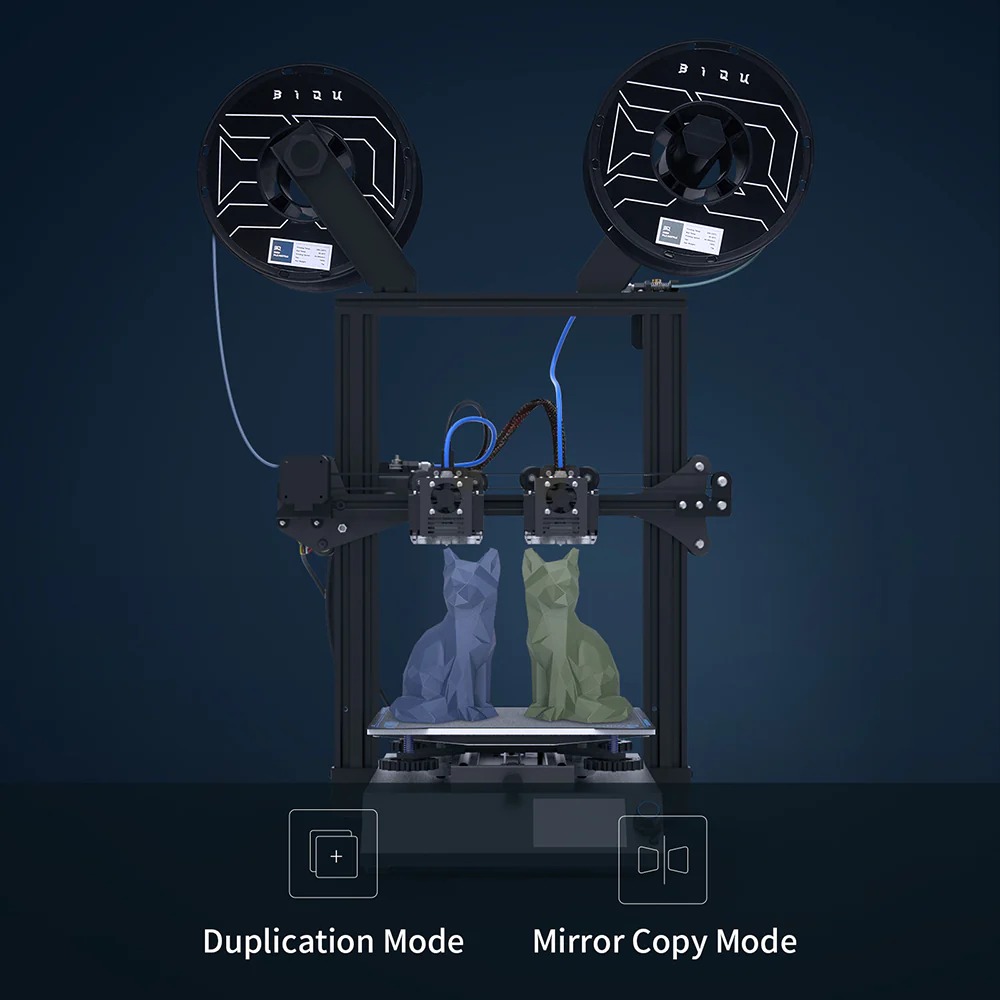
But the quiet operation was just the beginning. The biqu SKR board opened up a world of possibilities. With its more powerful processor and advanced stepper drivers, I could now experiment with features like Linear Advance and Input Shaping, which are crucial for achieving truly high-quality prints at higher speeds. My prints became visibly smoother, with fewer artifacts and much better dimensional accuracy. Suddenly, the limitations I felt with my old setup evaporated, replaced by exciting new avenues for optimization.
After the success of the SKR board, I started looking deeper into biqu’s offerings. My next venture was into their hotends and extruders. The stock extruder on my printer was notorious for slipping with flexible filaments and inconsistent extrusion with others. I had heard rave reviews about biqu’s H2 extruder. It’s an all-in-one direct drive extruder and hotend combo, and it looked like a serious piece of kit. The thought of converting my Bowden setup to direct drive was a little intimidating, but the potential benefits – better retraction, easier printing of flexible materials like TPU, and improved overall reliability – were too good to pass up.
Swapping out the old hotend and extruder for the biqu H2 was another rewarding project. It took a bit of calibration and fine-tuning, but once it was dialed in, the difference was incredible. Printing TPU went from a frustrating tangle to a smooth, reliable process. The print quality with PLA and PETG also saw a noticeable bump, especially in overhangs and intricate details. The consistent filament flow from the H2 meant fewer clogs and failed prints, allowing me to tackle more complex designs with confidence. This biqu upgrade truly felt like moving from an entry-level component to something designed for serious work.
It’s not just the big-ticket items, either. biqu also offers a wide array of smaller, but equally important, accessories that contribute to a better printing experience. I’ve used their touchscreens, which offer a much more intuitive and user-friendly interface than the standard LCDs. Their stepper motors are robust and reliable, their thermistors and heater cartridges have proven to be consistently accurate, and even their wiring and connectors are of a higher standard than what you often find included with printers. It’s this attention to the entire ecosystem that makes biqu stand out. They’re not just selling parts; they’re providing solutions that integrate well and genuinely improve your setup.
I’ve even started exploring Klipper firmware, a powerful open-source firmware that works beautifully with biqu’s SKR boards. The ability to fine-tune every aspect of my printer’s movement and performance from a web interface, coupled with the rapid iteration times, has taken my printing game to another level. And it’s all made possible by the robust hardware that biqu provides. It feels like they truly embrace the spirit of open-source and community-driven innovation.
When you invest in biqu, you’re not just buying a component; you’re buying into a system that’s designed to be flexible, upgradeable, and ultimately, to help you create better prints. Whether you’re trying to make your printer quieter, print faster, use more challenging materials, or just generally make your setup more reliable, biqu seems to have a solution ready. I’ve gone from hesitantly trying a single mainboard to confidently recommending their products across the board. If you’re looking to elevate your 3D printing game, I strongly suggest checking out their offerings. You can explore their full range of products and see what might be the perfect fit for your next upgrade.
Visit Official biqu Website Now
What about other makers? My experience isn’t unique. I’ve seen countless others share similar positive stories about their biqu encounters. Here’s a peek at what some fellow 3D printing enthusiasts have been saying:
* “Swapped out my old board for a biqu SKR Mini E3 V3, and my printer went from sounding like a coffee grinder to barely a whisper. Absolutely revolutionary for printing late at night!” – *Mark, CA*
* “The biqu H2 extruder changed everything for my TPU prints. No more stringing or jams, just beautiful flexible parts. Installation was a bit fiddly, but totally worth the effort.” – *Sarah, TX*
* “I appreciate how biqu makes high-performance parts accessible. Their control boards are powerful, and while the documentation sometimes requires a bit of forum diving, the community support is fantastic.” – *David, NY*
* “My biggest win with biqu was upgrading my display to one of their touchscreens. So much more intuitive and faster to navigate menus. It’s a small change but makes a big difference in the user experience.” – *Emily, FL*
These comments echo my own feelings: biqu products often bring significant improvements, sometimes requiring a bit of hands-on learning, but always delivering value.

Now, it wouldn’t be a balanced review if I didn’t mention a few things to keep in mind. While biqu products are generally excellent, they often cater to the enthusiast who enjoys tinkering. Sometimes, the initial setup can require a bit of technical know-how, especially when it comes to flashing custom firmware or dialing in new components. The documentation, while improving, might not always be as comprehensive as some might hope, meaning you might occasionally find yourself consulting community forums or YouTube tutorials for specific steps. This isn’t necessarily a downside for me – I enjoy the learning process – but it’s something to be aware of if you prefer a purely plug-and-play experience. However, for those willing to dive in, the rewards are substantial. The sheer performance and customizability you gain far outweigh any initial learning curve.
One of the biggest advantages of embracing the biqu ecosystem is the sheer amount of support available online. Because their products are so popular, especially the SKR line of boards, there’s a huge community of users who share tips, tricks, and troubleshooting advice. This collaborative spirit means that even if you hit a snag, you’re never truly alone. I’ve personally leveraged this community knowledge countless times, and it’s a testament to the strong following biqu has cultivated among makers. It feels less like a product line and more like a shared journey of innovation.
My journey with biqu equipment has been consistently positive. From the quiet revolution of their control boards to the reliable performance of their extruders and the thoughtful design of their accessories, biqu has repeatedly proven to be a brand I can trust to deliver quality and innovation. They empower makers to push the boundaries of their 3D printers, transforming standard machines into high-performance workhorses. If you’re serious about 3D printing and looking to unlock your printer’s full potential, or simply seeking more reliable and quieter operation, then taking a closer look at biqu’s offerings is a step I highly recommend.
They continually release new products and iterate on existing ones, showing a clear commitment to staying at the forefront of 3D printing technology. This forward-thinking approach means that investing in biqu products often ensures your printer remains relevant and capable of handling future advancements in the hobby. It’s an investment in the longevity and capability of your workshop.
So, if you’re ready to upgrade your 3D printer, quiet it down, improve your print quality, or just explore new possibilities, don’t hesitate to check out what biqu has to offer. You might just find that their components are exactly what you need to take your projects to the next level, just like they did for mine.
Ready to see what biqu can do for your 3D printing setup?
Visit Official biqu Website Now and explore their extensive catalog!
You won’t regret delving into the world of biqu innovation for your 3D printer.
Visit Official biqu Website Now to find your next upgrade!
Enhance your printing experience today.
Visit Official biqu Website Now and discover the possibilities.

You May Also Like
Unlocking Workshop Potential: My In-Depth Look at Chery Industrial Gear
Ugreen NAS: My Journey to Digital Freedom – A Personal Review