My Deep Dive into Scuf Controllers: Are They Really a Game Changer?
Hey everyone! Let’s talk about something that’s been a staple in my gaming setup for a while now: a Scuf controller. If you’ve been around the competitive gaming scene, or even just watch your favorite streamers, you’ve probably seen these custom gamepads pop up. They’re pricey, they’re customized, and they promise an edge. But is it all just hype, or do they truly make a difference? I’ve spent countless hours with mine, so I figured it was time to share my unvarnished thoughts and experiences.
For years, I was pretty content with my standard console controllers. They did the job, and I didn’t think much about upgrading. I mostly played single-player adventures and a bit of casual multiplayer. But then, a few years ago, I started dipping my toes into more competitive titles like Call of Duty, Apex Legends, and later, some fast-paced PC shooters with a controller (yeah, I know, sacrilege for some PC purists!). I quickly realized that to keep up, I needed to be faster, more precise, and frankly, have more fingers on deck.
That’s when I started hearing more and more about Scuf controllers. Friends swore by them, pro players flexed them, and the idea of being able to jump, slide, or reload without ever taking my thumb off the aim stick sounded like pure magic. The concept of back paddles, adjustable triggers, and interchangeable thumbsticks intrigued me, but the price tag always made me hesitate. Could a controller really be *that* much better?
After a lot of deliberation, reading reviews, and watching comparison videos, I finally took the plunge. I decided to build my own Scuf controller on their official website. The customization options alone were a rabbit hole – colors, grip types, button finishes, even engraving. It felt like I was designing a custom sports car, not a gaming accessory. If you’re curious about all the options, you can check out their extensive customization lab yourself right here: Visit Official scuf controller Website Now.
First Impressions and Getting Started
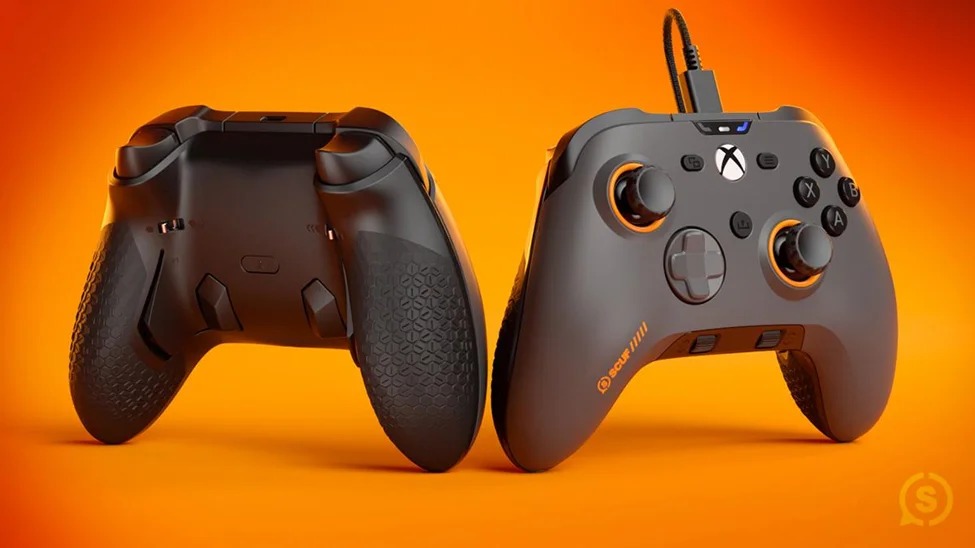
When my Scuf controller finally arrived, the unboxing experience felt premium. It came in sleek packaging, and the controller itself felt substantial and well-built in my hands. The weight was just right, not too heavy, not too light. The textured grip on the back was immediately noticeable – it felt secure and comfortable, a big step up from the smooth plastic I was used to.
The biggest change, of course, was the paddles. My chosen model had four, which felt like a lot to learn at first glance. I remember sitting there, fiddling with the remapping key (a small magnetic tool that lets you reassign button functions to the paddles on the fly), trying to figure out the best setup for my playstyle. It wasn’t instant gratification; there was definitely a learning curve. My brain was hardwired to press ‘X’ to jump or ‘B’ to slide, and suddenly my ring and middle fingers were supposed to take over those crucial actions.
My first few hours with the Scuf controller were… interesting. I fumbled, I pressed the wrong paddles, and I probably died more often than usual. It felt like learning to type with an entirely new keyboard layout. But I stuck with it. I started with just two paddles, assigning jump and crouch/slide to them. Slowly but surely, muscle memory began to form. After about a week of consistent play, something clicked.
The Features That Made the Difference
Let’s dive into the specific features that, for me, really justify the investment in a Scuf controller:
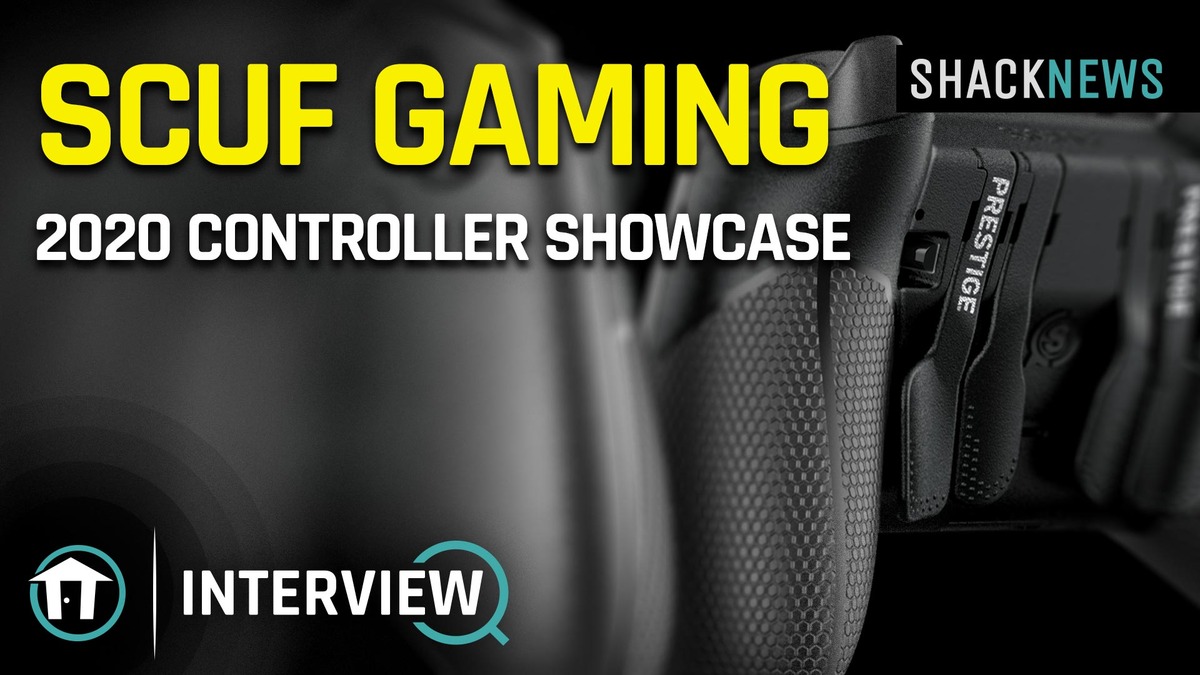
1. **The Paddles:** This is the absolute core of the Scuf experience. Being able to perform actions like jumping, sliding, reloading, or weapon swapping without ever taking my thumb off the right analog stick (for aiming) or my left thumb off the left stick (for movement) is a genuine game-changer.
* **In Call of Duty:** Before, if I wanted to jump-shot around a corner, I’d have to lift my thumb off the aim stick to press ‘X’, resulting in a momentary loss of aiming precision. With a paddle, my aim stays locked, and I can jump and shoot simultaneously, making me a much harder target. The same goes for slide-canceling – it becomes seamless.
* **In Apex Legends:** Reloading mid-fight or popping a shield battery while strafing and aiming is now second nature. No more awkward finger gymnastics or relying on button-mashing. It feels so natural to just squeeze a paddle.
* **The Customization:** I love that I can swap paddles out if I only want to use two, or even remove them entirely if I’m playing a single-player game where they’re not needed. The magnetic attachment system is brilliant.
2. **Trigger Stops and Hair Triggers:** For competitive shooters, these are a godsend. My Scuf controller has adjustable trigger stops, which physically limit how far you have to press the L2/R2 triggers. This drastically reduces the time it takes to register a shot. Combine that with the “hair trigger” feature, which makes the trigger actuation almost instantaneous, and you’ve got a seriously responsive input.
* Firing semi-automatic weapons in games like Warzone or Rainbow Six Siege feels incredibly snappy. Each pull is crisp and immediate. It’s not about making you shoot faster than the game allows, but about reducing the input lag between your finger movement and the game registering the shot. That fraction of a second can absolutely make the difference in a head-to-head gunfight.
3. **Interchangeable Thumbsticks:** This might seem minor, but it’s a huge comfort and precision factor. My Scuf came with different lengths and dome/concave options. I prefer a taller concave stick on the right (for aiming) and a standard-height concave on the left (for movement). This combination gives me finer control over aiming movements while maintaining comfortable general movement. Standard controllers usually just give you one option, which might not be ideal for your hand size or playstyle.
4. **High-Performance Grip:** The grip on the back of my Scuf controller is a textured, almost rubberized material. It sounds simple, but during long, intense gaming sessions, it prevents slippage and just feels more secure in my hands. No more sweaty palms causing my controller to feel like it’s going to fly out of my grasp in the clutch. It genuinely contributes to overall comfort and confidence.
What Others Are Saying – Customer Feedback
It’s not just my personal experience. I’ve seen countless gamers echo similar sentiments about their Scuf controllers. Here’s a peek at what some other users have shared:
* “Seriously, these paddles are a game-changer for Warzone. My K/D has actually improved since I started using my Scuf. It took a few days to get used to, but now I can’t imagine going back to a regular controller.” – **GamerTagPro**
* “I used to get hand cramps after an hour, but the ergonomics and grip on my Scuf controller make long sessions so much more comfortable. It feels like it was molded for my hands.” – **LadyGamer88**
* “I love that I could pick all the colors and even get my gamer tag engraved. It truly feels like *my* controller, not just another piece of tech. The personalization makes it special.” – **CustomKing**
* “It took some getting used to, and the price tag is steep, but the performance boost in competitive titles is undeniable. Just wish the battery life was a bit better sometimes, but that’s a minor gripe for the overall quality.” – **ProPlayerwannabe**
These comments pretty much align with my own journey. The initial adjustment, the noticeable performance increase, the comfort, and the overall feeling of having a premium, personalized device.
Addressing Common Concerns: Is a Scuf Controller Worth It?
Let’s address the elephant in the room: the price. A Scuf controller is an investment. It’s significantly more expensive than a standard first-party controller. So, who is it for, and is it truly worth the cost?
**Who it’s for:**
* **Competitive Gamers:** If you play games where every millisecond and every input matters, like Call of Duty, Apex Legends, Fortnite, Rainbow Six Siege, or any fast-paced shooter, a Scuf controller can absolutely give you an edge. The ability to keep your thumbs on the sticks while performing other actions is a competitive advantage.
* **Serious Enthusiasts:** If you spend a lot of time gaming and appreciate premium gear, the build quality, comfort, and customization options might appeal to you. It’s like upgrading from a standard sedan to a performance vehicle – both get you there, but one offers a more refined and responsive experience.
* **Comfort Seekers:** If you experience hand strain or discomfort with standard controllers during long sessions, the ergonomic design and superior grip of a Scuf controller could make a world of difference.
* **Streamers/Content Creators:** For those who game for a living or as a serious hobby, having top-tier equipment can be part of their professional setup and help them perform at their best.
**Is it worth it?**
For *me*, yes, it was absolutely worth it. My personal gameplay improved, my comfort during long sessions increased, and I genuinely enjoy the premium feel of the device. However, it’s crucial to manage expectations. A Scuf controller won’t magically turn you into a pro player overnight. It’s a tool that, when mastered, can enhance your existing skills and remove some of the limitations imposed by standard controller designs. The learning curve is real, but the payoff for dedicated players can be substantial. If you’re a super casual gamer who plays once a week for an hour, it might be overkill. But if you’re logging serious hours and striving to improve, then it’s definitely something to consider.
One thing I always emphasize is to do your research. Scuf has various models (Reflex, Envision, Impact, Infinity4PS Pro, etc.), each tailored to different platforms and offering slightly different features. Think about what’s most important to *your* gaming. Do you need four paddles or two? Do you prioritize wireless connectivity or ultra-low latency wired play? What kind of grip do you prefer? Their website does a great job of breaking down the differences, and it’s where I spent a good chunk of my research time: Visit Official scuf controller Website Now.
Durability and Maintenance
My Scuf controller has held up remarkably well over time. I’ve had it for over a year now, and it still feels as solid as the day I unboxed it. The paddles are robust, the triggers remain clicky, and the thumbsticks are easily replaceable if they wear down (which is another huge plus – no need to buy a whole new controller for stick drift!).
Like any piece of gaming gear, a little care goes a long way. I usually keep it in its protective case when not in use, and a quick wipe-down after intense sessions keeps the grip feeling fresh. I haven’t experienced any major issues with button sticking or connectivity.
My Final Takeaway
So, after all this time with my Scuf controller, would I recommend it? Absolutely, with the caveat that it’s for a specific type of gamer. If you’re looking to elevate your game, whether for competitive play, streaming, or simply for a more comfortable and responsive experience, a Scuf controller is a top-tier choice. The customization, the ergonomic design, and especially those back paddles and trigger stops have genuinely changed how I approach and perform in my favorite games.
It’s not just a controller; it’s a performance tool designed to give you an edge, and in my experience, it delivers on that promise. Yes, it’s an investment, but for many, it’s one that pays dividends in improved gameplay and increased enjoyment.
If you’re on the fence, I’d say give it serious consideration. Dive into their website, explore the options, and see if a custom Scuf controller fits into your gaming journey. You might just find that it’s the missing piece you’ve been looking for to take your gameplay to the next level. Ready to explore the possibilities? Head over to the official site and configure your own: Visit Official scuf controller Website Now.
What are your thoughts on Scuf controllers? Do you use one? Thinking about getting one? Let me know in the comments below!


You May Also Like

Unlocking My Best Curls: A Deep Dive into My Ouidad Journey

My Go-To Activewear: A Deep Dive into Sweaty Betty’s World