My Deep Dive into SurveyMonkey: Is It Really the Best Tool for Your Feedback Needs?
Hey everyone! Today, I want to chat about something that’s probably crossed your path if you’ve ever needed to gather opinions, conduct research, or just get a sense of what people are thinking: online surveys. And when we talk about online surveys, one name pretty much dominates the conversation: SurveyMonkey.
Now, I’ve been in situations more times than I can count where I needed to collect feedback – whether it was for a work project, understanding my audience for a side hustle, or even just planning a family reunion (yes, seriously, those can get complicated!). For years, I kind of just… made do. I’d cobble together something in a free tool, struggle with the data, or frankly, just avoid asking altogether because it felt like too much of a headache.
Then, I finally decided to really dive deep into SurveyMonkey. I’d seen it around, knew its reputation, but hadn’t truly explored its capabilities. And let me tell you, it’s been a game-changer for me. Today, I want to share my journey, my experiences, and why I genuinely think SurveyMonkey stands out in a crowded market. If you’re looking to gather insights effectively, you might want to consider Visit Official survey monkey Website Now.
My First Foray: Was It Easy to Get Started?
My initial thought, like with any new tool, was, “Is this going to be a steep learning curve?” I’m a pretty tech-savvy person, but I don’t want to spend hours figuring out basic functionality. Thankfully, SurveyMonkey quickly put those fears to rest.
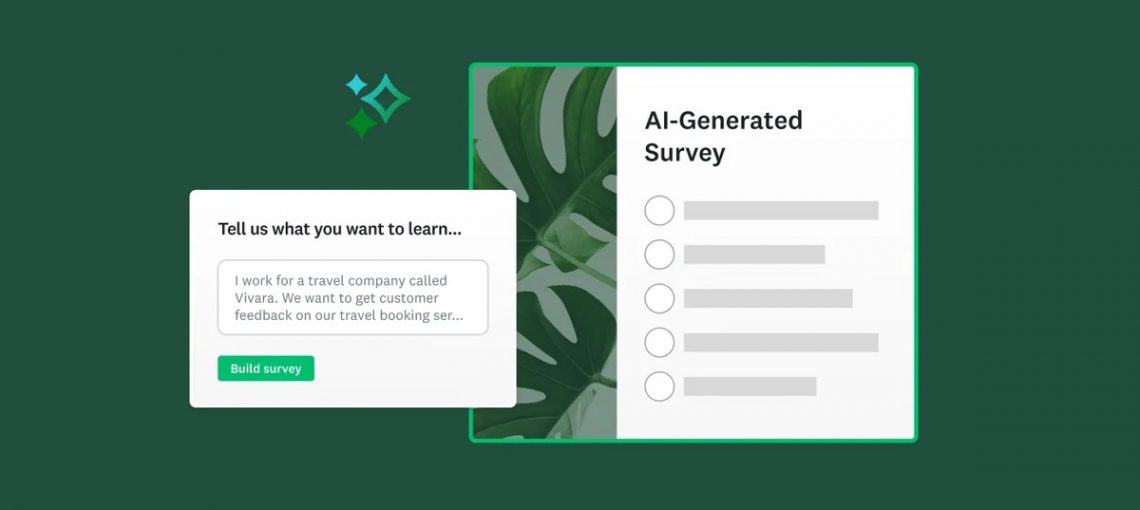
From the moment I landed on their site, the interface just felt intuitive. Creating an account was straightforward, and then I was presented with options to start a new survey. What struck me immediately was the sheer number of templates available. This was a revelation! Instead of staring at a blank page, wondering how to phrase my questions for, say, a customer satisfaction survey, I could just pick a pre-built template. They have templates for pretty much everything: customer service, employee engagement, event feedback, market research, academic studies, even health assessments.
For my own use, I once needed to quickly gauge attendee satisfaction after a small online workshop I hosted. I didn’t have much time to design a survey from scratch. I found a post-event feedback template on SurveyMonkey, tweaked a few questions to fit my specific content, and within about 15 minutes, I had a professional-looking survey ready to go. That saved me so much mental energy and time!
The drag-and-drop interface for adding questions is super slick. You just click on the type of question you want – multiple choice, open-ended, rating scales, demographic questions – and drag it into place. Reordering questions is equally simple. It’s the kind of user experience that makes you feel competent and efficient, even if you’re a complete novice at survey design.
Features That Really Make a Difference
While the ease of use is a huge win, it’s the depth of features that makes SurveyMonkey a truly powerful platform for gathering data.
A Plethora of Question Types
It’s not just about asking yes/no questions. SurveyMonkey offers a robust selection of question types that allow you to capture nuanced feedback. I’ve personally used:
* **Multiple Choice:** Standard, but always useful.
* **Likert Scales:** Great for measuring agreement or satisfaction levels (“Strongly Agree” to “Strongly Disagree”). I used this extensively when asking for feedback on new features for my website.
* **Open-Ended Comments:** Crucial for qualitative data. Sometimes, the most valuable insights come from what people write in their own words.
* **Ranking Questions:** Perfect when you need to understand priorities, e.g., “Rank these product features in order of importance.”
* **Slider Questions:** A fun, visual way to get responses on a continuous scale.
* **Demographic Questions:** Essential for segmenting your data and understanding different groups.
The ability to mix and match these question types within a single survey means you can design something truly comprehensive without sacrificing clarity or user experience.
Logic and Branching: The Smart Survey Designer
This is where SurveyMonkey really elevates its game, especially for more complex surveys. Question logic (also known as skip logic or branching) allows you to show or hide questions based on a respondent’s previous answers.
For example, I was once doing market research for a potential new service. If someone answered “No” to “Are you currently using [Type of Service]?”, there was no point in asking them follow-up questions about their current provider. With SurveyMonkey, I could set up a rule so that if they answered “No,” they’d skip directly to a later section, or even end the survey. If they answered “Yes,” they’d get a whole series of questions about their current experience. This keeps surveys concise and relevant for each respondent, which dramatically improves completion rates and data quality. It feels more conversational and less like a tedious interrogation.
Customization and Branding
First impressions matter, and a professionally branded survey makes a huge difference in how respondents perceive your request for feedback. SurveyMonkey lets you customize pretty much everything: colors, fonts, and adding your own logo.
For my professional projects, ensuring the survey matched our company branding was non-negotiable. SurveyMonkey made this easy, allowing me to upload our logo and select our brand colors. It made the survey feel like an extension of our brand, rather than a generic third-party form. This attention to detail contributes to a more trustworthy and engaging experience for the person taking the survey.
Effortless Distribution
What’s the point of a great survey if no one sees it? SurveyMonkey offers multiple ways to distribute your surveys:
* **Web Link:** The simplest method. You get a unique URL you can share anywhere – email, social media, your website.
* **Email Invitations:** You can send surveys directly through SurveyMonkey’s email collector, which is fantastic for tracking who has responded. I used this for an internal employee feedback survey, and it made managing responses so much easier.
* **Social Media:** Direct integrations to share on Facebook, X (formerly Twitter), LinkedIn.
* **Website Embed:** You can embed your survey directly into a webpage, making it part of your site’s experience.
This flexibility means you can reach your target audience wherever they are.
Powerful Analytics and Reporting
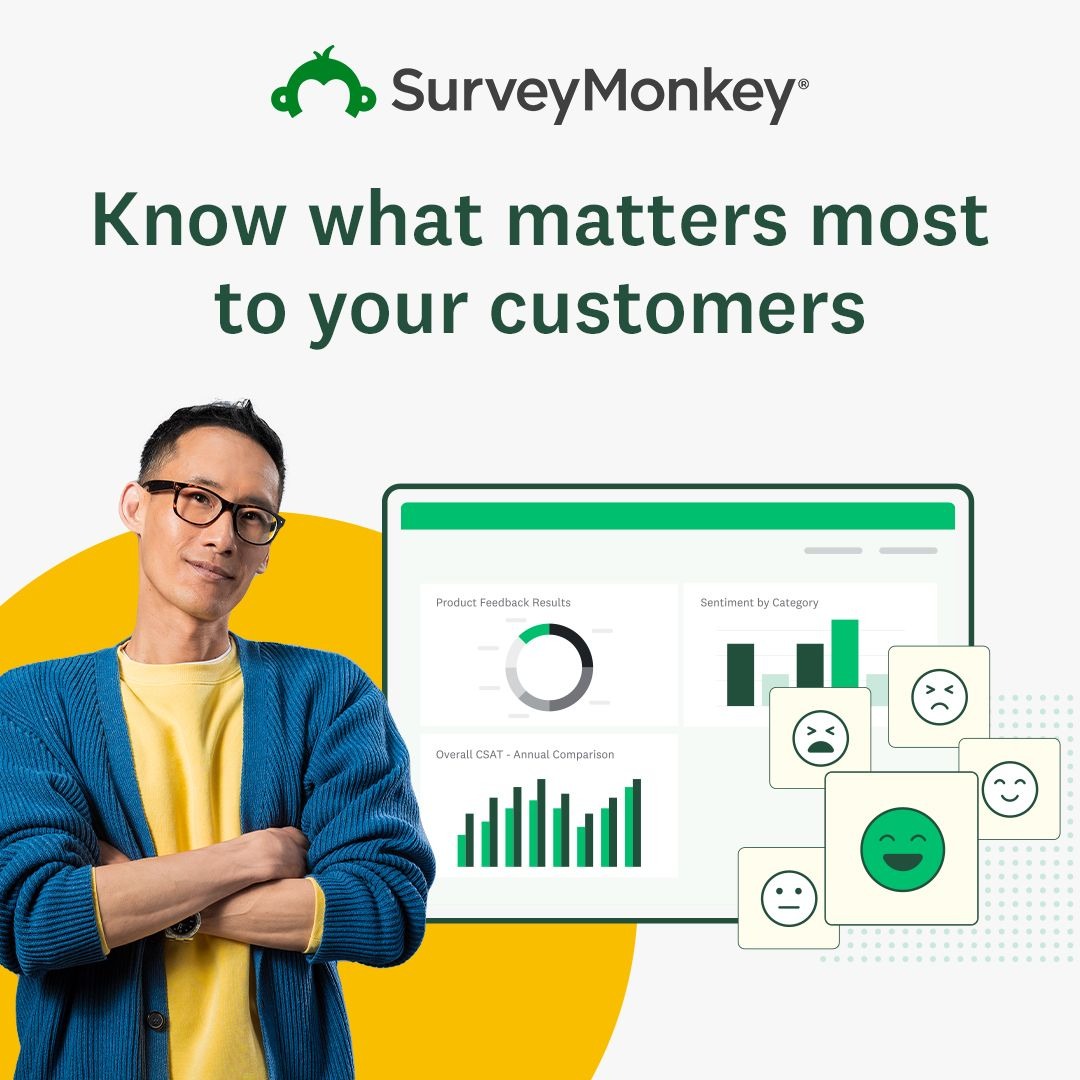
Collecting data is only half the battle; understanding it is the other. This is an area where SurveyMonkey truly shines. Once responses start rolling in, the platform automatically generates clear, easy-to-understand charts and graphs.

I’ve spent countless hours sifting through raw data in spreadsheets before, and it’s not fun. With SurveyMonkey, I can see response rates, individual responses, and aggregate data at a glance. But it goes beyond just pretty charts:
* **Filtering:** I can filter responses based on specific criteria – for example, only showing responses from people in a certain age group or those who gave a specific answer to a prior question. This is incredibly useful for segmenting my data.
* **Cross-Tabulation:** This feature lets you compare two different questions against each other, revealing relationships in your data. For instance, I could cross-tabulate “satisfaction with product X” against “age group” to see if younger respondents were more or less satisfied than older ones. These kinds of insights are gold for decision-making.
* **Text Analysis:** For open-ended questions, SurveyMonkey can help identify common themes and keywords, which saves a ton of time compared to manually reading every single response.
The reporting tools help me not just collect data, but truly *understand* it and turn it into actionable insights. It’s what transforms raw responses into real intelligence. If you’re serious about your data, I’d highly recommend checking out the robust reporting features by visiting Visit Official survey monkey Website Now.
What Others Are Saying: Real Customer Feedback
It’s not just my personal experience that highlights SurveyMonkey’s strengths. I’ve talked to others, read reviews, and seen countless testimonials praising the platform. Here are a few sentiments that really resonate:
* “I used to dread creating surveys, but SurveyMonkey’s templates just make it so simple. The drag-and-drop interface is a game-changer for someone like me who isn’t a tech wizard. I can get professional results without the headache.” – Sarah L., Small Business Owner
* “The deep dive analytics in SurveyMonkey are fantastic. I can slice and dice data in so many ways to find exactly what I need. It really helps us make data-driven decisions that impact our bottom line.” – Mark R., Marketing Manager
* “What really impressed me was the level of customization. We could brand our surveys perfectly, which made them feel much more professional to our clients. It truly elevated our perception.” – Emily V., Consultant
* “I initially started with the free plan, and it was great for basic needs. But once I upgraded to get access to question logic and A/B testing, it truly unlocked new possibilities for my research. It’s an investment that pays off.” – David P., Researcher
These comments mirror my own findings – the platform is accessible to beginners yet powerful enough for seasoned professionals and researchers.
A Word on Pricing: Free vs. Paid Plans
SurveyMonkey does offer a free plan, which is a great way to dip your toes in. It lets you create basic surveys with a limited number of questions and responses. For very simple, quick feedback needs, it’s perfectly adequate.
However, where the real magic happens is with their paid plans. This is where you unlock those advanced features I talked about: unlimited questions and responses, question logic, advanced reporting, custom branding, file uploads, and much more. For anyone serious about gathering comprehensive insights, the paid tiers are well worth the investment. I personally found that moving to a paid plan dramatically expanded what I could achieve with my surveys, providing richer data and deeper understanding for my projects. Consider what level of insight you need before settling on a plan.
Tips from My Own Use of SurveyMonkey
Having used SurveyMonkey for various projects, I’ve picked up a few best practices:
1. **Start with a Goal:** Before even touching the platform, know exactly what you want to learn from your survey. This will guide your question selection.
2. **Utilize Templates:** Seriously, don’t reinvent the wheel. Their templates are professionally designed and can save you loads of time.
3. **Keep it Concise:** Respect your respondents’ time. Shorter surveys generally have higher completion rates. Use question logic to keep irrelevant questions hidden.
4. **Test, Test, Test:** Always take your survey yourself and have a colleague or friend test it before sending it out widely. Check for clarity, typos, and proper question logic.
5. **Leverage Analytics:** Don’t just collect data and forget about it. Dive into the reporting features. Filter, cross-tabulate, and look for trends. That’s where the real value lies.
Who Is SurveyMonkey For?
In my experience, SurveyMonkey truly caters to a vast audience:
* **Small Business Owners:** Need to understand customer satisfaction, get product feedback, or gauge employee morale without a huge budget.
* **Marketing Professionals:** Running market research, A/B testing ad copy, evaluating campaign effectiveness.
* **Educators and Researchers:** Conducting academic studies, gathering student feedback, or evaluating course effectiveness.
* **HR Departments:** Employee satisfaction surveys, onboarding feedback, exit interviews.
* **Event Planners:** Post-event feedback to improve future events.
* **Individuals:** Planning social gatherings, community projects, or personal research.
Basically, if you need to ask questions and get meaningful answers, SurveyMonkey is likely going to be a strong contender for your tool of choice.
My Final Thoughts on SurveyMonkey
After extensively using SurveyMonkey for various projects, I can confidently say it has become my go-to platform for survey creation and data analysis. The blend of user-friendliness, extensive features, and powerful analytics makes it an invaluable tool for anyone looking to gather feedback effectively. It’s not just about creating a form; it’s about creating a powerful mechanism for understanding your audience, customers, or employees.
It’s transformed how I approach collecting information, turning what used to be a daunting task into an efficient and insightful process. If you’re on the fence or looking for a reliable, feature-rich survey solution, I wholeheartedly recommend giving SurveyMonkey a serious look. It truly streamlines the entire feedback collection process, from design to deep-dive analysis, allowing you to focus on what matters most: making informed decisions.
Ready to start gathering insights? Explore what SurveyMonkey can do for you and your projects. You can check out their official website here: Visit Official survey monkey Website Now. I’m confident you’ll find it as helpful as I have.


You May Also Like

My Deep Dive into Enterprise Car Club: Liberating UK Journeys Without Ownership Hassles

My Game-Changing Discovery: Why cpbeef from Piedmontese.com is a Must-Try!